

In partnership with

Table of Contents
How I came to this.
The results of the experiment.
What to eat and where to get protein.
Myths and frequently asked questions.
Today I’m going to talk about how I came to this decision, how I’ve changed, how my friends and family feel about it, and what challenges I face. I’ve been a vegetarian for over 15 years now—that’s quite a long time—I lead an active lifestyle, and I don’t eat junk food from fast-food places like McDonald’s, KFC, and so on.

A healthy lunch
How I came to this.
In 2012, I was studying at the University of Sports Reserve in Belarus and went to a kindergarten for an internship to coach children. There, I met a guy who was vegan. As a reminder, vegans don’t eat any animal products: eggs, meat, fish, milk, cheese, and so on. He was also into running and doing a bit of calisthenics at the time, and one day we got to talking about nutrition. He explained his reasons for becoming vegan and told me what he ate; I found it interesting and decided to try it out for myself.
Actually, I rarely ate fish as a child; when it came to meat, I ate cutlets, sausages, and salami — though there wasn’t much actual meat in them — and pelmeni. I ate chicken, but I didn’t really like the rest. Still, from everyone around me at the time, I heard only one thing: every meal consists of a side dish and meat. So I rarely thought about the fact that things could be any different.
So, I decided to go without meat for a week to see what would happen to me, how my physical condition would change, how I would feel, and whether it’s true that you no longer feel heavy after eating.
So I started learning to cook other vegetarian dishes. For those who don’t know, I never eat out—I always cook for myself. In my family, children are taught to cook from a young age, so that when they grow up, they’ll be able to feed themselves. Mom won’t always be around. That’s how I’ve always learned.


I'm sure many of you wanted to eat it all after seeing this.😁
Let's take a short break
1. The first advertiser
The Flyover is a fast-growing American email newsletter platform launched in 2023. It positions itself as a source of unbiased, fact-focused news without spin or agenda, delivering a daily digest of key stories from politics, business, sports, science, and more — summarized from hundreds of sources across the spectrum.
Key points:
Free daily email (no paywall), with a national edition + multiple state-specific versions (e.g., Texas, Florida, Georgia, and others — now around 10–11 editions).
Claims high engagement (open rates 60–70%+).
Media Bias/Fact Check rates it Least Biased and Mostly Factual, as it aggregates from diverse outlets (CNN to Fox) without adding editorial opinion.
It targets "flyover country" (everyday Americans outside coastal elites), criticizing mainstream media for bias.
As of early 2026, subscriber numbers have grown significantly: reports range from ~2.5 million to nearly 3 million readers (some sources mention aiming for 4–5 million by end of 2025/into 2026), plus a podcast and plans for expansion (e.g., text alerts).
Profitable, with revenue mainly from ads; recently raised crowdfunding from thousands of investors.
In short: A popular, independent newsletter aggregator claiming to deliver straight facts to millions tired of polarized media — one of the fastest-growing in its space.
The News Source 2.3 Million Americans Trust More Than CNN

Tired of spin? The Flyover delivers fast, fact-focused news across politics, business, sports, and more — free every morning. No agenda. No paywall. Join 2.3 million readers who trust us to start their day right.
Let's continueу😉
The results of the experiment.
Surprisingly, my body responded well to the new diet, so I decided to cut meat out of my diet. The first thing I remember from when I was a meat-eater is that heavy feeling after eating. I used to get really hungry early on, go to the nearest cafeteria, load up on food, and after I satisfied my hunger, that heaviness would set in—I had to sit down and let it settle. Now, I simply don’t have that feeling anymore; my digestion has improved, and my stomach no longer growls after every meal.
Basically, I started eating less. I mean, I need less food to feel full, and I don’t get hungry as often as I used to. I’ve become more active. My physical condition has improved too—before switching to a vegetarian diet, my pull-up record was 12 reps, and they were clumsy and not very pretty. After the switch, I managed to get up to 17 in two months, and by 2012, I was already doing more than that. So the myth about physical weakness is just that—a myth. By the way, that same vegan friend of mine can do 25 pull-ups, and now he’s already doing more than that.
I’ve found it easier to cope with colds and illnesses; in the past 15 years, I’ve only been sick two or three times, and even then, it was just a runny nose or a sore throat. Usually, during cold and flu season, I just spend a day at home, and then it all goes away on its own.

When we're on vacation with the family, we make vegetable skewers or grill vegetarian sausages, which, by the way, taste just like regular ones.
What do you eat, and where do you get your protein?
I’ll probably go into more detail about nutrition in a separate article so as not to overload this one, but in short: as meat substitutes, I eat lentils, sometimes soy (in moderation), chickpeas, as well as soy or almond milk, cheese, mushrooms, and nuts. Some of these foods contain more protein than meat. You can read about amino acids separately, or I’ll write about that in a separate post later. Now I eat more healthy foods, vegetables, and fruits, which also has a positive effect on my body.
My eating habits have basically changed—I’ve started checking ingredient lists more often and cutting out foods with lots of E numbers, artificial flavors, and monosodium glutamate. I choose the most natural options possible. I drink plenty of water (as my body needs) and juices, and I don’t drink alcohol of any kind before working out.

Let’s pause for just a momentу😇
2. The second advertiser
1440 is an American service (newsletter + platform) that positions itself as the most unbiased news source.
Its main product is a daily digest (5-minute read) that compiles the most important events of the day from hundreds of sources, stripping away opinions, clickbait, and emotions — leaving only the facts. Slogan: news without motives, without triggering the desired reaction, so the reader can draw their own conclusions.
The name comes from 1440 minutes in a day — “making every minute meaningful.”
As of now (2026), they have >4 million subscribers, it’s free, and it’s rated Least Biased / Center by independent evaluators (Media Bias/Fact Check, AllSides), with very high factual reporting accuracy.
Every headline satisfies an opinion. Except ours.

Remember when the news was about what happened, not how to feel about it? 1440's Daily Digest is bringing that back. Every morning, they sift through 100+ sources to deliver a concise, unbiased briefing — no pundits, no paywalls, no politics. Just the facts, all in five minutes. For free.
Continue reading the article😎
Myths and Frequently Asked Questions.
“Come on, that's all nonsense—where's the evidence? Where's the science? Doctors say it's bad for you.”—To people like that, I recommend watching the video “Myths About Vegetarianism” from the “Scientists Against Myths” conference—no propaganda, just the facts
“And I don't really feel like having meat or steak—they don't taste that good, and they don't smell that great either”—usually that smell comes from the seasonings; meat doesn't really smell that good on its own, but you don't need to season a freshly picked apple or strawberry.
“All these vegans are getting on my nerves—they're so aggressive; God forbid you eat meat around them—they'll kill you.” There are fanatics everywhere who give a certain movement a bad name; many people don't eat meat just to get attention, and there are plenty of them even without vegans. Among my vegetarian and vegan friends, I don’t have a single “fanatic,” and it’s usually the meat-eaters who act aggressively—just check out any vegetarian group on Facebook and you’ll see a bunch of angry comments on harmless posts like “how to cook couscous properly.”
“Maybe plants feel pain too”—plants don't have a nervous system.
“Being a vegetarian is expensive”—in some vegetarian cafes, a vegetarian salad costs twice as much as it does in cafeterias. Yes, some foods are more expensive, but overall, you spend less money on food. Lately, I've noticed that vegetarian sausages and cutlets cost the same as their meat counterparts.
“You're still a propagandist—in this article, you're urging people not to eat meat.”—In the article, I'm simply sharing my own experience. For many people, such as those in northern regions, it would be difficult to give up meat, since it's a staple of their diet, so everyone has to decide for themselves.
And finally, this is the shape I’ve achieved by staying vegetarian for over 15 years.


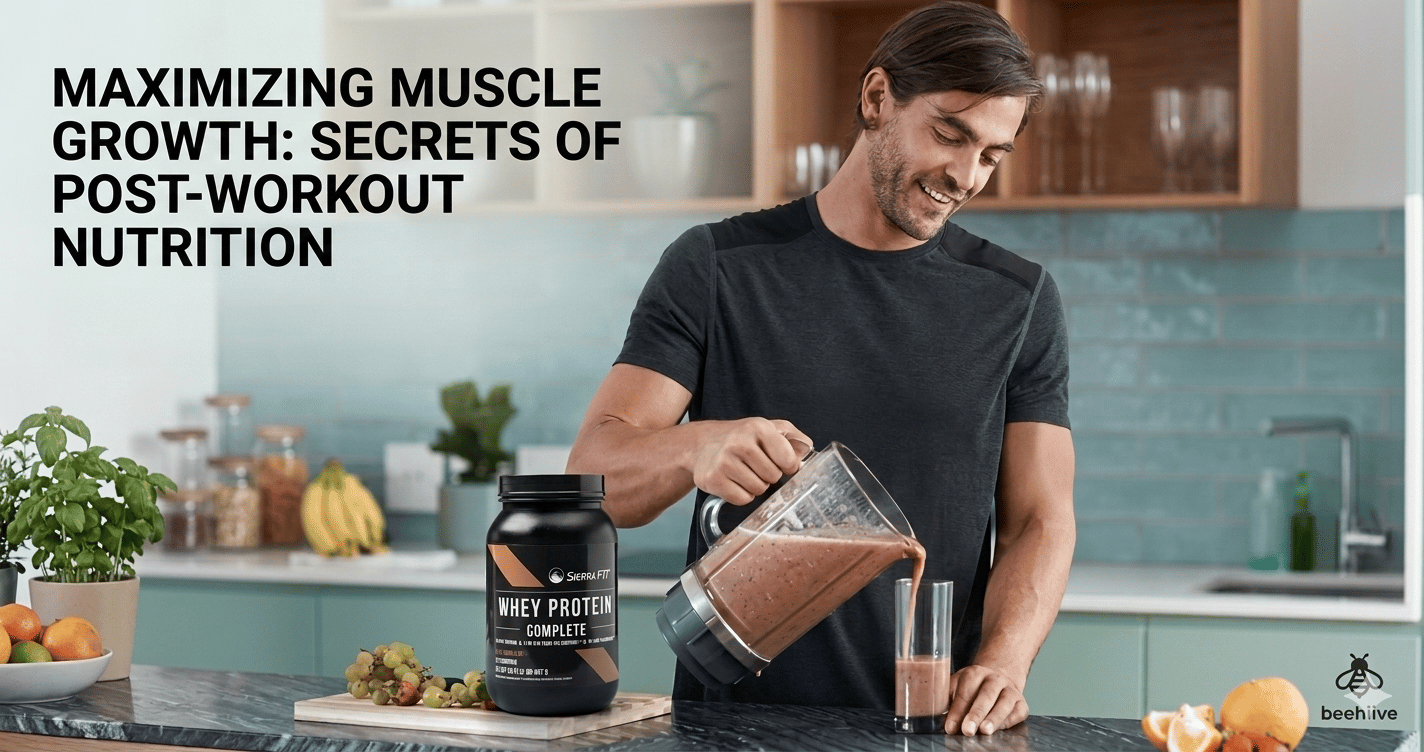
I also recommend checking out my top 5 protein shakes for summer, in case you missed them.
If you liked this article, please like it and subscribe to our newsletter. If you have any questions, feel free to leave a comment below.
Artemus Vazhui